Top Reasons to Choose Dental Implants in Bakersfield CA

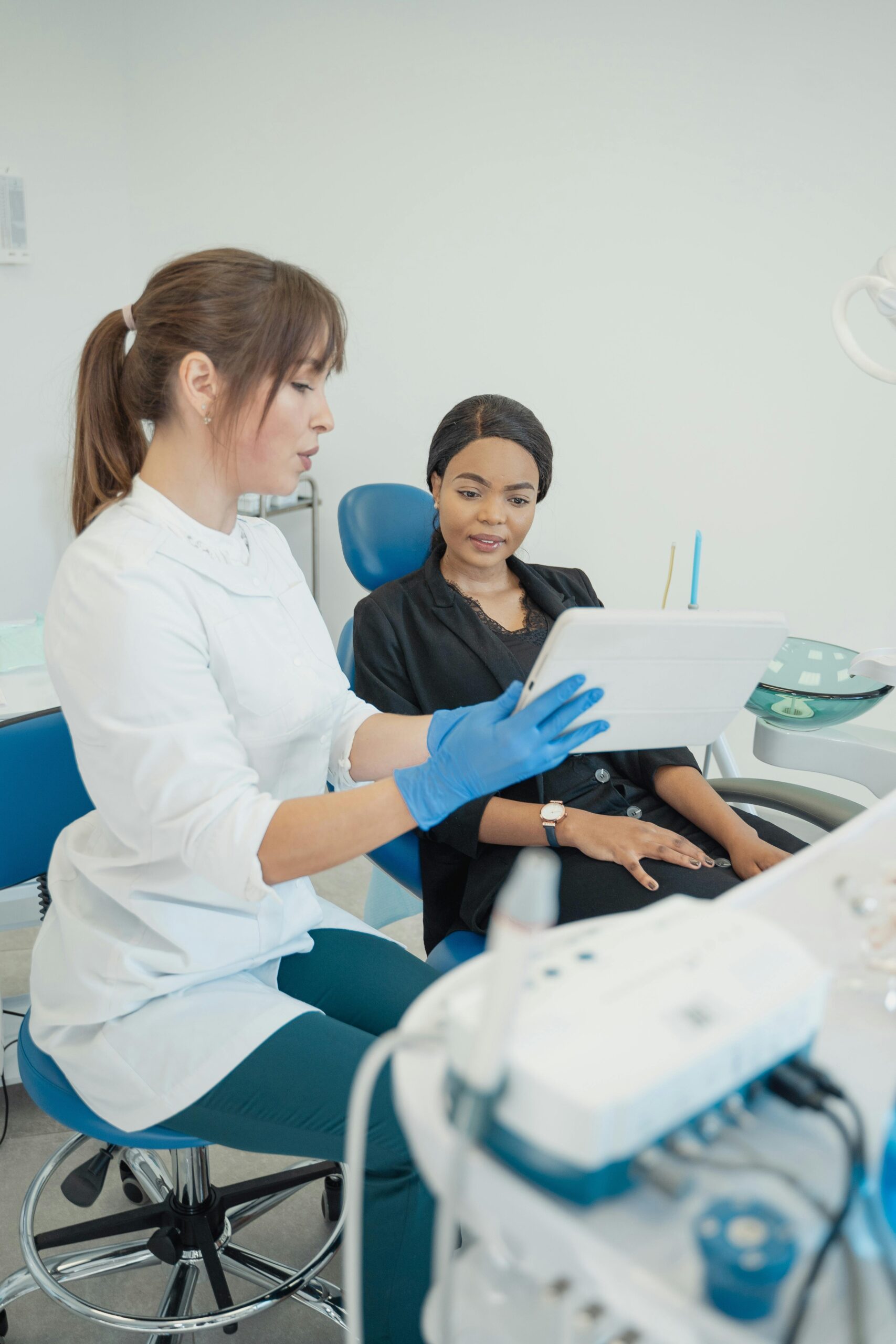
Losing a tooth changes more than a smile. It alters the way a person eats, speaks, cleans their mouth, and even carries their face at rest. Many people first notice the obvious gap, but the deeper effects often show up quietly over time, a shift in bite pressure, soreness while chewing, or a tendency to avoid certain foods altogether. That is why dental implants remain such an important option for long term tooth replacement.
For patients considering https://elliotiytb411.cloudhinter.com/posts/dental-implants-bakersfield-ca-before-and-after-expectations Dental Implants Bakersfield CA, the appeal usually starts with appearance and quickly expands into function, health, and daily comfort. A well planned implant can restore a missing tooth in a way that feels stable, natural, and durable. It does not solve every problem for every patient, and it is not the cheapest route upfront, but there are strong reasons so many dentists and patients view implants as the closest thing to getting a natural tooth back.
What makes a dental implant different
A traditional bridge replaces the visible part of a tooth by relying on neighboring teeth for support. A denture replaces one or more teeth with a removable appliance that sits on top of the gums. A dental implant works differently. It replaces the root as well as the crown. A small titanium post is placed in the jawbone, where it integrates with the bone over time. Once healing is complete, the dentist attaches an abutment and a custom crown.
That root replacement matters. Natural teeth are anchored in bone, and when a tooth is lost, the bone in that area begins to shrink because it no longer receives regular stimulation from chewing. An implant helps preserve that stimulation. From a biological and mechanical standpoint, that is a major advantage.
Patients often describe the experience in practical terms. They say an implant feels secure. It does not rock, click, or need adhesive. It allows them to bite into an apple or chew grilled meat with more confidence than they ever had with a loose removable appliance. Those day to day details are where implants prove their value.
Stability that changes everyday life
One of the strongest reasons to choose implants is stability. A missing back tooth may not seem urgent at first, especially if it is not visible when smiling. Yet molars carry a heavy share of chewing force. When one goes missing, the remaining teeth often compensate, and that extra load can create uneven wear. Some patients start chewing only on one side. Others begin selecting softer foods without realizing how much their diet has narrowed.
A stable implant restores function in a way that spreads pressure more naturally. That can reduce the strain placed on adjacent teeth. For people who have worn partial dentures, the difference is often dramatic. A removable partial may work reasonably well in the beginning, but many become loose with time as the mouth changes. Clasps can trap food, irritate tissue, or place stress on support teeth. Implants do not rely on hooks or acrylic bases. They stay where they are placed.
Speech can improve too. Front tooth loss affects more than appearance. Certain sounds require precise contact between the tongue, teeth, and lips. When that structure is missing, words can whistle or blur. A properly positioned implant crown often restores pronunciation with a level of precision that surprises patients who had quietly adapted their speech for months or years.
Preserving bone and facial support
Bone loss is one of the least visible but most important consequences of tooth loss. Once the root is gone, the body begins to resorb the surrounding bone. This process varies from person to person. Some lose bone slowly, others more rapidly, especially in the first year after extraction. Over time, that shrinkage can affect the fit of dentures, the spacing between teeth, and even facial contours.
In the front of the mouth, bone loss can create a sunken look that makes a person appear older. In the back, it can complicate future treatment by reducing the volume of bone available for an implant. This is one reason many dentists discuss implant planning soon after a tooth is removed, even if placement will happen later. Early planning can preserve options.
An implant does not stop all changes forever, but it can help maintain bone in a way that bridges and dentures cannot. That benefit becomes especially important in patients missing several teeth. It also matters for those who hope to avoid a cycle of repeated appliance adjustments over the years.
A conservative choice for neighboring teeth
Many patients are surprised to learn that a conventional bridge often requires reshaping the teeth on either side of the gap. If those teeth already have large fillings or crowns, that may be a reasonable approach. If they are healthy and intact, reducing them can feel like a compromise. Once tooth structure is removed, it cannot be put back.
An implant often allows the dentist to restore the missing space without cutting down neighboring teeth. That conservative approach is one of the most compelling clinical reasons to choose implants. Preserving healthy enamel and dentin matters, particularly in younger patients or anyone who wants to minimize future dental work.
There is also a practical maintenance benefit. A bridge can be very successful, but cleaning underneath it takes effort and technique. Floss threaders and special brushes become part of the routine. An implant crown still requires careful hygiene, but many patients find it more intuitive to clean around a single implant than under a long span bridge.
Comfort that feels closer to a natural tooth
Patients rarely ask only about survival rates. They want to know what living with an implant actually feels like. That is where implants often stand apart.
A well integrated implant does not have the periodontal ligament of a natural tooth, so it will never be identical in sensation. Still, in everyday use, many patients report that it feels more tooth like than other replacement options. It does not shift when they talk. It does not press awkwardly against the palate the way some removable appliances do. It does not need to come out at night.
This comfort extends beyond chewing. People with missing teeth often learn small protective habits, smiling with lips closed, turning one side of the mouth away from photos, or avoiding close conversation. Restoring a visible tooth can relieve that self consciousness almost immediately. While dentists focus on function and biology, patients often measure success in moments like laughing freely at dinner or ordering what they want without worrying about whether they can chew it.
Strong esthetic potential, especially with careful planning
Modern implant dentistry can produce highly natural results, but esthetics depend on planning, tissue health, and the starting anatomy. That is particularly true in the smile zone. Implant position must be precise, not only in terms of angle and depth but also relative to gum contours and neighboring teeth. The crown has to match shape, translucency, and color. In some cases, a graft is needed to rebuild bone or support the gum line.
When those details are handled well, implants can blend beautifully. Friends and coworkers may not notice anything except that the smile looks complete and healthy. This is especially meaningful for patients replacing a single front tooth after trauma or fracture. A 30 year old who chipped and lost an incisor in a sports accident usually wants a result that does not advertise itself as dental work. Implants can often meet that goal better than removable alternatives.
It is worth noting an important trade off. Esthetically demanding cases sometimes require more time, more appointments, and more coordination between the surgeon, restorative dentist, and laboratory. The extra planning is usually worth it. The best cosmetic implant cases are rarely rushed.
Long term value, not just upfront cost
Implants are more expensive initially than many other tooth replacement options. That is real, and patients deserve a straightforward discussion about it. Surgery, imaging, possible grafting, custom components, and the final crown all contribute to the cost. For some households, that price requires financing or staged treatment.
Yet evaluating implants only by the first invoice can be misleading. Long term value comes from durability, comfort, and reduced dependence on replacements or adjustments. A denture may cost less at the start but need relines, repairs, remakes, or adhesive use over the years. A bridge can last many years as well, but if one supporting tooth develops decay or fracture, the entire bridge may need to be replaced.
An implant is not maintenance free, and crowns can eventually wear or need replacement. Still, when properly placed and cared for, implants often serve patients well for many years. For someone in their forties or fifties, that long view matters. Paying more once can be more practical than paying less repeatedly while accepting lower function in the process.
Bakersfield patients often appreciate the climate and lifestyle angle
Local context matters more than many people realize. In Bakersfield, patients often lead active, social, and work focused lives that make dependable dental function important. Whether someone works in an office, agriculture, healthcare, education, or a physically demanding trade, a secure tooth replacement is easier to live with than a removable appliance that can loosen during a long day.
The dry climate can also make removable prosthetics less comfortable for some people. Dry mouth, whether from weather, medications, or health conditions, tends to amplify denture irritation and reduce retention. An implant supported solution can be a major quality of life improvement in those cases. That does not mean every Bakersfield patient needs implants, but it does explain why the demand for Dental Implants Bakersfield CA continues to grow. People want something that feels reliable in real life, not only in the dental chair.
Better support for bridges and dentures when several teeth are missing
Implants are not limited to single tooth replacement. They can support bridges and stabilize dentures for patients missing many or all teeth. This is where the functional difference can become life changing.
A lower denture, in particular, is notorious for instability because the tongue and shallow anatomy of the lower jaw give it less natural suction than an upper denture. Patients often complain that it lifts while eating or speaking. Even placing two implants to anchor a lower overdenture can transform retention. Many patients who struggled for years with movement and sore spots are surprised by how much easier meals become.
For full arch replacement, treatment can range from implant retained dentures to fixed bridges supported by multiple implants. The right design depends on anatomy, budget, dexterity, and expectations. A retired patient with arthritis may value a prosthesis that is easy to clean. A younger professional may strongly prefer a fixed option that stays in place all the time. There is no one size fits all answer, which is one reason consultation and planning are so important.
The process is more predictable than many patients expect
Fear of surgery keeps some people from exploring implants. They imagine a complicated or painful experience. In reality, many straightforward implant placements are well tolerated, often easier than the tooth extraction that came before them. Local anesthesia is standard, and sedation options are available in many offices for anxious patients or more involved procedures.
Healing takes time, and patients should understand that. The implant needs a period of osseointegration, meaning the bone fuses to the implant surface. Depending on the case, that can take a few months. Some patients receive a temporary tooth during healing, especially in visible areas, while others wait until integration is confirmed before the final crown is made.
A typical treatment course may include evaluation, imaging, extraction if needed, bone grafting in some cases, implant placement, healing, and final restoration. Not every case follows that exact sequence. Immediate implant placement is possible in selected situations, and full arch protocols can sometimes move faster. The point is that implant treatment is carefully staged for a reason. Good biology rewards patience.
Not everyone is an ideal candidate, and that honesty matters
A responsible dentist should explain both the advantages and the limits of implant treatment. Smoking, uncontrolled diabetes, active gum disease, severe clenching, and inadequate bone can all complicate outcomes. None of these automatically rules implants out, but each changes the conversation.
Sometimes the best first step is not implant surgery but periodontal treatment, smoking reduction, or a bone graft to build the foundation. In other cases, a bridge or removable prosthesis may be more realistic because of health status, anatomy, timeline, or budget. Honest case selection protects patients from disappointment.
Here are a few signs that a patient may benefit from a closer implant evaluation:
- A missing tooth is making chewing noticeably harder.
- A removable partial or denture feels loose or uncomfortable.
- The teeth next to the gap are healthy and the patient wants to preserve them.
- Bone loss or facial collapse is becoming a concern.
- The patient wants a fixed option with a long term outlook.
That kind of judgment call should happen chairside with imaging and a full exam, not from advertising alone.
Success depends on maintenance, not just placement
An implant is not a set it and forget it device. It needs healthy surrounding tissue, stable bite forces, and meticulous cleaning. Peri implant disease, inflammation and bone loss around an implant, is real and often linked to plaque accumulation, smoking, or untreated periodontal problems elsewhere in the mouth.
Patients who do best with implants usually treat them like premium restorations. They brush carefully, clean between teeth, attend recall visits, and address grinding if needed. A nightguard can be essential for someone who clenches hard in sleep. Professional maintenance visits help the dental team monitor the implant, crown, bite, and surrounding tissues before small issues become expensive ones.
That maintenance point is sometimes overlooked in marketing. The implant itself may be made of durable materials, but the mouth is a living environment. Bacteria, force, and habits all matter. Patients who understand this tend to have the best long term outcomes.
Questions worth asking at a consultation
A thoughtful consultation often tells you as much about the provider as the treatment itself. Good implant dentistry is not only about placing hardware. It is about diagnosis, planning, communication, and follow through.
Consider asking questions like these:
- Am I a good candidate for an implant right now, or do I need preparatory treatment first?
- Will this case likely require bone grafting or gum tissue enhancement?
- What are the realistic timelines from placement to final crown?
- How will the implant be restored and maintained over time?
- What risks or trade offs apply in my specific case?
Clear answers matter. So does the willingness to discuss alternatives without pressure.
Why so many patients say the investment was worth it
When people reflect on implant treatment after the healing phase is over, they rarely focus only on the technical side. They talk about ordinary experiences returning. Eating corn on the cob at a family barbecue. Smiling in photos without angling their face. Speaking in meetings without worrying that a denture will slip. Those are not dramatic milestones, but they are meaningful ones.
For single tooth cases, implants often remove the constant reminder of the missing space. For multiple missing teeth, they can restore efficiency and confidence that patients had gradually lost. The emotional impact should not be underestimated. Tooth loss can be surprisingly isolating, especially when it affects visible areas or social eating. A fixed, natural looking replacement often changes how a person feels in public long before anyone else knows they had dental work done.
That blend of form, function, and durability is why implants continue to hold such a strong place in modern dentistry. They preserve bone more effectively than traditional options, avoid sacrificing adjacent teeth in many cases, and offer a level of stability that supports both oral health and quality of life. For many people exploring Dental Implants Bakersfield CA, those reasons are more than theoretical. They show up in the mirror, at the table, and in the quiet relief of not having to think about a missing tooth anymore.
Smyle Dental Bakersfield
2016 E St, Bakersfield, CA 93301, United States
+16614939040
FAQ About Dental Implants Bakersfield CA
What is the downside of a dental implant?
The main downsides of dental implants involve high financial costs, surgical risks, a lengthy healing process, and the potential for long-term complications.
How much does a full set of implants usually cost?
A full set of dental implants (covering both the upper and lower arches) typically ranges from $6,000 to $90,000+, depending heavily on the type of treatment, materials used, and whether the teeth are fixed or removable.
Can I have all my teeth pulled and get implants?
Yes, you can have all your teeth pulled and replaced with dental implants. Instead of placing a separate implant for every single tooth (which is costly and time-consuming), dentists typically use full-arch systems.