General Dentist Bakersfield CA: Personalized Care for Every Age
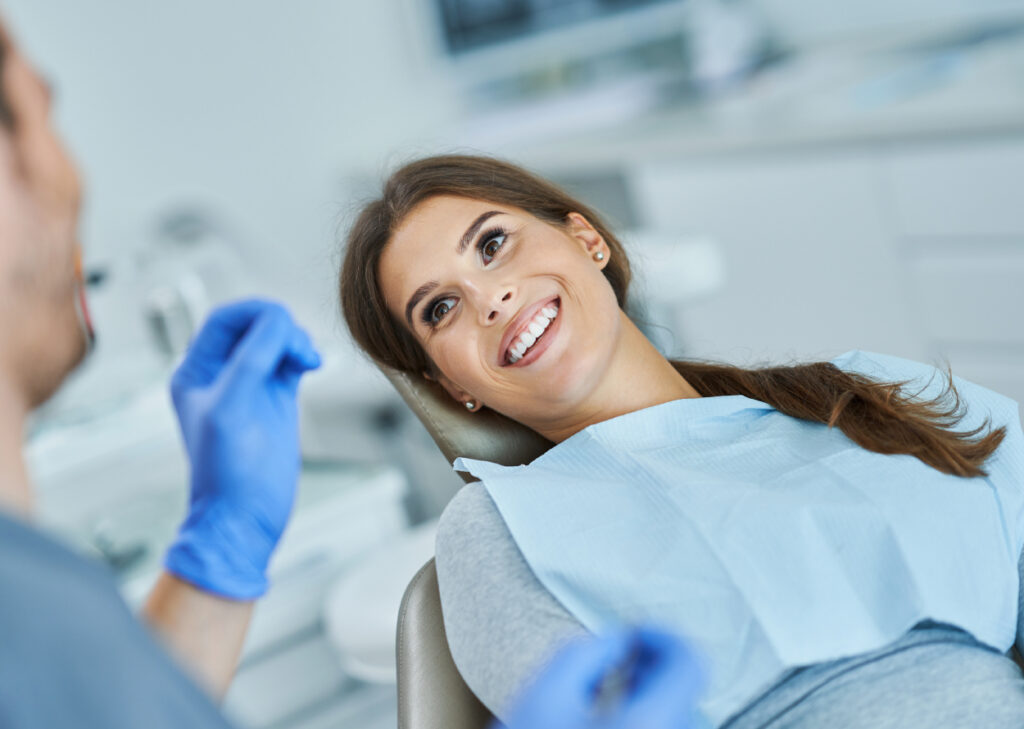
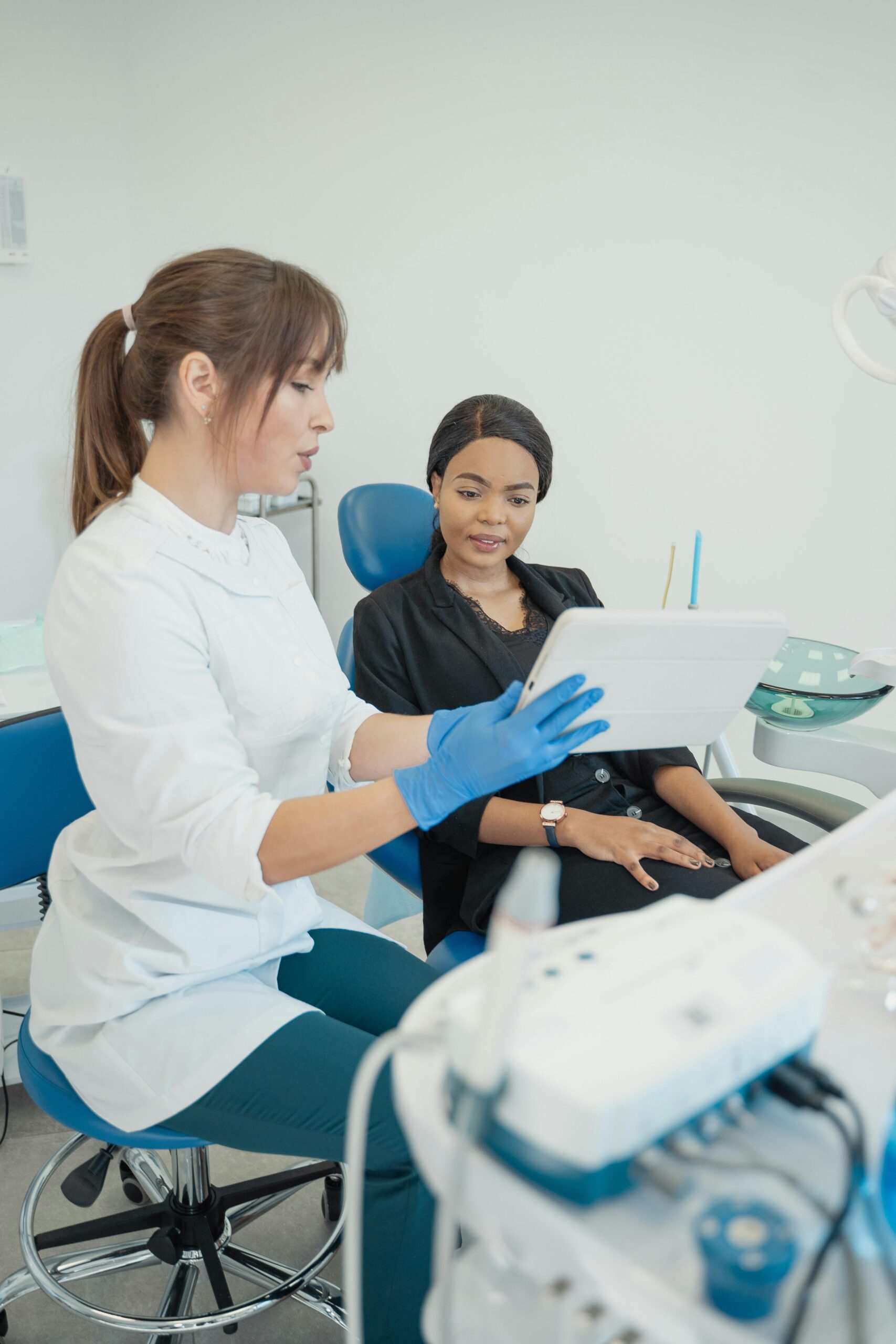
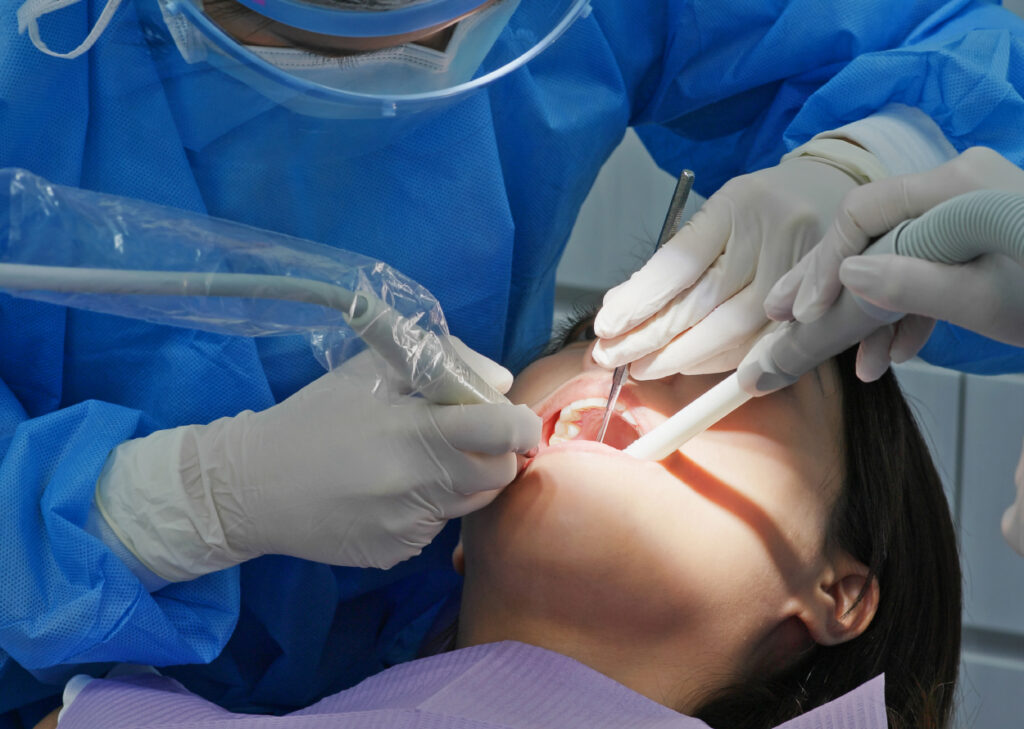
Finding the right dental home is rarely just about location or office hours. For most families, it comes down to something more personal. They want a practice that can care for a young child with first molars, a busy parent delaying a filling for too long, and a grandparent managing dry mouth, worn enamel, or a loose partial. That kind of continuity matters. It saves time, reduces stress, and makes dentistry feel more familiar instead of transactional.
A skilled General dentist Bakersfield CA residents can rely on does more than clean teeth and treat cavities. Good general dentistry is preventive, practical, and deeply personal. It should adapt to the patient in the chair, not ask every patient to fit the same mold. A teenager with orthodontic retainers does not need the same conversation as a retired adult with several crowns. A nervous child deserves a different pace than someone who has been receiving routine care for decades. Personalized care starts there, with attention, judgment, and the willingness to treat people as individuals rather than schedules.
In a city like Bakersfield, where families often juggle work, school, sports, and long commutes, convenience matters too. Many patients are not looking for five different dental offices. They want one dependable General dentist who can handle routine preventive care, identify problems early, and coordinate next steps when specialized treatment is needed. That approach often leads to better oral health over time, because patients are more likely to stay consistent when care feels accessible and manageable.
What personalized dental care actually looks like
“Personalized care” gets used so often that it can start to sound vague. In a dental setting, it has a very practical meaning. It means your exam, treatment plan, home care advice, and recall schedule are based on your specific risk factors and priorities.
Take two patients with similar X rays. One might have excellent home care habits, low cavity risk, and no history of gum disease. The other may grind heavily at night, sip sweetened coffee all morning, and take medications that reduce saliva flow. Their mouths may look similar on a single visit, but their long-term risk is very different. A thoughtful general dentist does not treat those two people the same way.
Personalized care also means understanding where a patient is in life. Parents bringing in a toddler often need coaching on brushing technique, thumb-sucking habits, and whether a pacifier is affecting development. Adults in their thirties and forties may need help balancing esthetics with budget, especially when an older filling fails in a visible tooth. Older adults may need realistic solutions for gum recession, root sensitivity, or maintaining dental work around changing health conditions.
The best general dental care combines clinical skill with pattern recognition. Over time, a dentist who sees you regularly begins to notice subtle changes. A small area of wear on the lower front teeth. Slight bleeding in a spot that was healthy six months ago. A filling margin that is starting to open. Those details are easy to miss in sporadic care. They are easier to manage when caught early.
Care for children that builds trust early
Children often decide how they feel about dentistry long before they understand what a cavity is. The first few visits matter. A calm, patient-centered approach can shape their confidence for years.
For younger children, the goal is not simply to complete a cleaning. It is to create a positive experience while monitoring development. A good general dentist pays attention to eruption patterns, spacing, bite changes, and hygiene habits at home. They know when to reassure and when to intervene. Some children need extra time to become comfortable with the chair, the sounds, and the instruments. Rushing that process can backfire.
Parents often ask whether baby teeth really matter if they are going to fall out anyway. They do. Primary teeth help with speech, chewing, and guiding permanent teeth into place. Untreated decay in baby teeth can still cause pain, infection, sleep disruption, and missed school. In some cases, it can affect how a child eats and grows. That is why prevention during childhood is worth taking seriously.
Fluoride guidance, sealants, and coaching on snack patterns can make a large difference. In real practice, some of the most stubborn cavities in children do not come from obvious candy habits. They come from constant grazing, juice in sippy cups, sports drinks after practice, or bedtime milk without brushing. These patterns are common, and they are fixable when addressed early and without judgment.
The teen years require a different conversation
Adolescents sit in a distinct middle ground. They are old enough to understand consequences, but not always interested in hearing about them. A dental visit for a teenager often works best when the dentist speaks directly to the patient rather than only to the parent.
This stage brings its own challenges. Orthodontic appliances can trap plaque in hard-to-reach areas. Busy school schedules and extracurriculars can lead to skipped brushing at night. Energy drinks, soda, and frequent snacking become more common. Some teens clench or grind during stressful periods, especially around exams or sports seasons. Contact sports also raise the issue of mouthguard use, which is often overlooked until an injury happens.
A teenager may also become more aware of esthetics. White spot lesions after braces, staining, chipped front teeth, or crowding concerns can affect confidence. A strong General dentist helps patients and families make practical decisions here. Not every cosmetic issue requires immediate treatment, but concerns should not be dismissed either. Often, the most helpful approach is to explain what is urgent, what can wait, and what habits need to change before any cosmetic work will last.
Adult dentistry is often about maintenance and timing
Adults tend to postpone dental care for familiar reasons: work deadlines, insurance uncertainty, childcare logistics, or the hope that a minor problem will stay minor. Sometimes it does. Often it does not.
One of the most common patterns in general practice is the patient who says, “It only hurt for a few days, then it stopped.” Pain that fades does not always mean the problem resolved. It can mean the nerve is dying, the crack is shifting, or inflammation has changed. When adults keep regular visits, dentists can catch issues before they become root canals, extractions, or complex rebuilds.
Restorative work for adults often involves balancing longevity, function, and budget. A small cavity may be treated with a conservative filling. A cracked tooth with a large old filling may need a crown. Someone with multiple worn teeth may need a phased plan rather than trying to do everything at once. Personalized care means being honest about those trade-offs.
Not every patient wants the same outcome. Some prioritize durability above all else. Others care most about esthetics, especially for front teeth. Others need to spread treatment over time. A good dentist should explain what each option solves, what it does not solve, and how long it may reasonably be expected to last under normal conditions. No restoration lasts forever. Patients appreciate candor more than sales language.
Older adults benefit from steady, detail-oriented care
Aging changes the dental picture in ways that are not always obvious from the outside. Teeth that have lasted decades may now show wear, fracture lines, gum recession, or root exposure. Medications can reduce saliva, which increases cavity risk dramatically. Arthritis can make flossing difficult. Vision changes can affect home care quality. Medical conditions such as diabetes can complicate gum health and healing.
For older adults, the role of a General dentist Bakersfield CA patients trust often becomes broader. It is not only about treating single teeth. It is about preserving comfort, chewing ability, and independence. If someone avoids crunchy foods because of loose teeth or sore gums, that affects nutrition. If a denture no longer https://www.merchantcircle.com/smyle-dental-bakersfield-bakersfield-ca fits properly, it can irritate tissue and limit social confidence. If dry mouth goes unmanaged, decay can move quickly along the roots.
There is also a strong practical side to senior dental care. Treatment should match the patient’s overall health, dexterity, goals, and tolerance for procedures. A long, complex plan may be technically possible, but not always wise. Sometimes the best care is the most conservative care that keeps a patient functional and comfortable. That kind of judgment is one hallmark of experienced general dentistry.
Preventive visits are where the real value shows up
Patients often think of dental appointments in terms of what gets done that day, a cleaning, an X ray, a filling. But the deeper value is what routine care prevents from happening later.
A preventive visit gives the dental team a chance to track the health of gums, bone levels, old dental work, bite patterns, soft tissue, and home care effectiveness. It also creates a rhythm. When a patient comes in regularly, changes are easier to spot and easier to compare. Small cavities are smaller. Gingivitis is less likely to become periodontitis. Tiny chips can be smoothed or monitored before they turn into fractures.
This is especially important because many dental problems begin quietly. Gum disease can progress with very little pain. Early enamel demineralization may not be visible to the patient. A failing filling may leak before it breaks. The mouth often gives subtle signals first, and regular checkups are the best place to catch them.
Patients who have stayed on a steady preventive schedule for years often avoid major work not because they have “perfect teeth,” but because issues are found when they are still manageable. That is a major difference.
When one office can simplify care for the whole family
Families are busy, and healthcare often feels fragmented. One office handles pediatric checkups, another manages adult cleanings, and a specialist appears later when something goes wrong. There are situations where specialty care is absolutely the right move, but many households benefit from having a strong general dental base.
A family-focused general practice can often coordinate preventive and restorative care across generations. Appointments may be scheduled more efficiently. Records stay in one place. The team becomes familiar with family dental history, habits, and patterns. If parents have a history of heavy tartar buildup, gum disease, or crowded teeth, that background can help guide what the dentist watches for in their children.
There is also an emotional benefit. Children often do better when the office feels familiar because they have seen siblings or parents treated there. Adults with dental anxiety also tend to relax when they know the team, the routines, and the pace of the practice.
That continuity becomes especially useful when a life event affects oral health. Pregnancy, a new medication, sports participation, a move, retirement, or a chronic health diagnosis can all change what a patient needs from dental care. A dentist who knows the patient over time can respond with more context and better judgment.
Common signs it is time to schedule a visit
Some dental concerns are obvious, but many people wait longer than they should because symptoms seem minor or inconsistent. These are a few signs worth taking seriously:
- Bleeding gums that persist during brushing or flossing
- Sensitivity to cold, sweets, or chewing pressure
- A rough edge, chip, or cracked area on a tooth
- Chronic bad breath or a bad taste that does not go away
- A crown, filling, or denture that feels loose or different
None of these automatically means a major problem, but they are all reasons to be evaluated sooner rather than later. In practice, the “wait and see” approach often turns a straightforward appointment into a more involved one.
Bakersfield patients often need care that fits real life
Dental care always happens in the context of a person’s daily routine. Bakersfield families and working adults are no exception. Long workdays, outdoor jobs, shift schedules, school calendars, and transportation logistics all influence whether care feels easy to maintain or constantly deferred.
That is why practical flexibility matters. Personalized dentistry is not just clinical. It is operational. Patients appreciate clear scheduling, direct communication, realistic treatment sequencing, and a team that explains urgency honestly. If a patient needs several procedures, the office should help map out what should be done first and what can safely wait. If a child is anxious, the team should know how to pace the visit. If an older adult has mobility concerns, the office should be prepared for that too.
Climate and lifestyle can also play a role in oral health habits. Many people in hot, dry environments deal with dehydration more often than they realize. Reduced hydration can contribute to dry mouth, especially when paired with certain medications or mouth breathing. Dry mouth is not just uncomfortable. It can increase cavity risk and make tissues more prone to irritation. This is one of those issues that can seem small to patients but significant to a dentist seeing its effects over time.
What patients should expect from a strong general dental relationship
A good dental relationship should feel straightforward, not confusing. Patients should know what the team sees, why it matters, and what their options are. They should not leave wondering whether a recommendation was urgent or merely elective.
In my experience, trust builds when a dentist is willing to say a few simple things clearly. This filling can be repaired now or it may become a bigger problem later. This crack needs monitoring, but it does not need treatment today. This gum inflammation is reversible if we improve home care and clean below the gumline. This tooth is structurally compromised, and waiting carries a real risk.
That kind of communication is more valuable than polished wording. So is consistency. When patients see the same office over time, they start to recognize the difference between preventive guidance, early intervention, and true urgency. It becomes easier to make decisions without fear or guesswork.
Here is what many patients value most in a long-term General dentist relationship:
- Thorough exams without feeling rushed
- Treatment recommendations explained in plain language
- Respect for budget, timing, and comfort level
- Preventive advice tailored to actual habits and risks
- Continuity of care across different life stages
These are not flashy qualities, but they are the ones that keep patients healthy over the long run.
Personalized care is not always high-tech, it is often high-attention
Patients sometimes assume that the best care must look complicated. New tools can certainly help, and modern dentistry has improved diagnostics and comfort in many ways. But some of the most meaningful personalization is less dramatic. It is the dentist noticing that a patient clenches more during stressful months. It is the hygienist remembering which areas always need extra attention. It is adjusting a treatment plan because a caregiver is managing their own health while also caring for a parent.
That level of attention can change outcomes. A nightguard made before severe wear develops can preserve natural tooth structure. Earlier intervention on gum inflammation can help prevent deeper bone loss. A conversation about acidic drinks can stop a pattern of erosion before front teeth start chipping. These are ordinary, everyday wins in general dentistry, and they matter.
There is also a humility built into good care. Sometimes the best recommendation is to monitor. Sometimes it is to refer to a specialist because the case calls for it. General dentistry works best when it stays patient-centered rather than procedure-centered.
Why a local dental home matters over time
People often underestimate the value of having a dental office that knows their history. Not just the chart, but the pattern. Which teeth have older restorations. How quickly tartar accumulates. Whether local anesthesia tends to wear off faster. Whether a patient gets anxious during impressions. Whether a child needs extra reassurance before X rays. Those details may seem small, but together they create smoother visits and smarter decisions.
For families looking for a General dentist Bakersfield CA offers many choices, but the right fit is usually the one that combines sound clinical care with consistency, communication, and a genuine understanding of how oral health changes across the lifespan. Children need guidance. Teens need accountability. Adults need practical planning. Older adults need thoughtful maintenance and realistic solutions. A strong general dental practice can meet each of those needs without losing sight of the person behind them.
Teeth do not exist separately from the rest of life. They reflect habits, stress, health conditions, aging, and access to care. That is exactly why personalized general dentistry matters. It keeps care grounded, useful, and responsive to the people who need it, whether they are six, sixteen, forty-six, or eighty-six.
Smyle Dental Bakersfield
Address: 2016 E St, Bakersfield, CA 93301
Phone number: +16614939040
FAQ About General dentist Bakersfield CA
What does it mean by general dentist?
A general dentist is your primary dental care provider. They act like a family doctor for your mouth. They focus on the overall health of your teeth and gums, providing routine checkups, cleanings, and basic treatments like fillings or crowns for patients of all ages.
What is the difference between a dentistry practitioner and a dentist?
A dentist is a specific licensed doctor who diagnoses and treats teeth and gums, holding a DDS or DMD degree. A "dentistry practitioner" (or dental practitioner) is a broader regulatory term that includes dentists as well as other licensed oral health workers like hygienists and therapists.
When to see a dentist for gum pain?
See a dentist for gum pain if it lasts more than a few days, or right away if you have severe swelling, pus, fever, or bleeding. Mild pain from a scratch can heal on its own, but lasting soreness often points to gum disease, an infection, or an abscess.